A real estate lock box can make a property easier to manage when you cannot be onsite for every showing or service appointment. However, convenient access only works when you control who receives the code and when that access ends.
Knowing who should have access to a real estate lock box helps you protect the property while keeping necessary work moving. The right people have a legitimate, time-sensitive reason to enter the property and authorization from the owner or responsible party. Anyone without a current business purpose should stay outside the access process.
Give Access to Authorized Real Estate Agents
Real estate agents often need lock box access when they are showing a property to prospective buyers or completing transaction-related work. If you have authorized an agent to enter the property, controlled access lets them complete the scheduled visit without requiring you to meet them onsite.
Keep access tied to the agent’s role in the transaction. Once the listing relationship ends or the agent no longer needs to enter the property, remove that access. You should also avoid sharing a lock box code broadly with an entire office when only one agent needs it. Giving access directly to the person responsible for the appointment makes it easier to maintain control over who can enter.
For remote investors, this level of control becomes even more important. You may never meet the agent at the property, so your access process needs to reflect the actual transaction relationship.
Allow Qualified Inspectors to Enter for Scheduled Work
Home inspectors need access when you hire them to evaluate a property. Their appointment has a defined purpose, which makes them an appropriate lock box user once you authorize the inspection.
Before sharing the code, confirm the date and expected arrival window. You should also make sure the inspector understands any property-specific access instructions.
Inspection access does not need to remain active indefinitely. Once the appointment ends, evaluate whether the same code should continue serving other authorized visitors.
Provide Contractors Access Only for Active Work
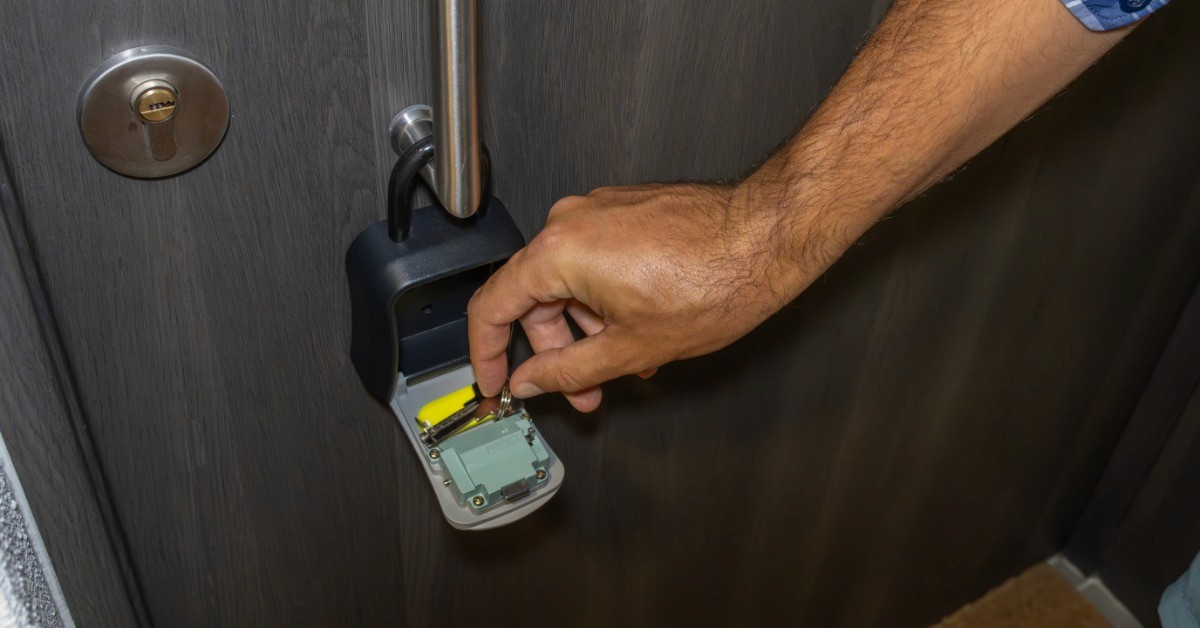
Contractors regularly need access during renovations, maintenance work, or property preparation. A lock box code can help you avoid unnecessary trips when a crew needs to enter a vacant investment property.
However, contractor access should follow the project schedule. A contractor who finished work last week should not retain access next month. Define the access period before the first visit. Then change the lock box code after the work concludes if the contractor no longer needs entry.
Match Access to the Scope of Work
Not every contractor working on a property needs unrestricted entry throughout the entire project. A plumber completing a one-day repair does not need the same access window as a general contractor overseeing a month-long renovation. Match the duration of access to the assignment. Doing so gives service providers enough time to complete their work while reducing unnecessary exposure after the job ends.
Give Property Managers Access When Their Role Requires It
A property manager usually needs broader access than a one-time vendor because that person may oversee recurring property operations. If the manager handles inspections or vendor coordination at the property, lock box access can support those responsibilities.
Their authority should still come from the property owner or another authorized decision-maker. A management agreement does not mean every employee or subcontractor automatically needs the code.
Ask the manager to control secondary access carefully. If a maintenance technician or vendor needs to enter, the manager should know who receives the code and why.
When you change property managers, treat lock box access as part of the transition process. Update the code so former management personnel cannot continue entering the property after their responsibility ends.
Give Buyers Access Only Through an Authorized Process
Prospective buyers should not receive unrestricted lock box access simply because they want to see the property. In most situations, access should occur through an authorized agent, representative, or structured showing process. Authorization remains the key distinction. A buyer who has permission to enter under the terms of your showing process can receive access when appropriate.
If you allow self-guided access, establish a clear process before sending the code. The access window should connect to a verified appointment and expire when that appointment no longer applies.
Limit Access to People With a Current Business Need
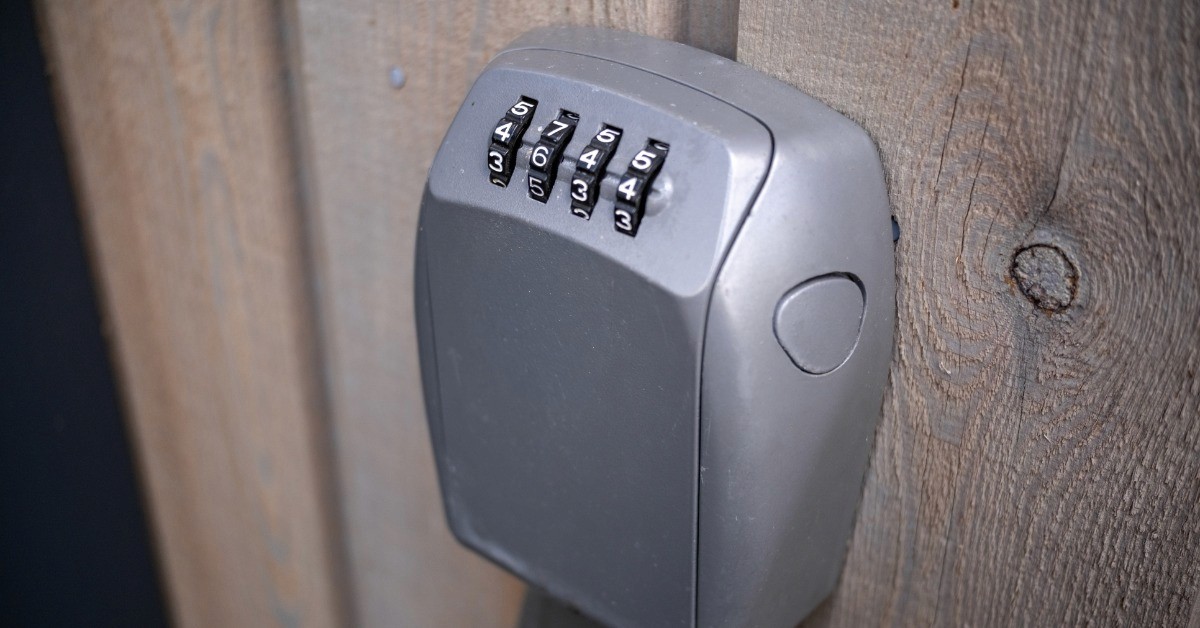
The safest way to answer who belongs in your lock box access system is to focus on current responsibility. A person should have the code because they need to complete an authorized task at the property now, not because they needed it several weeks ago.
Common authorized users can include:
Real estate agents with scheduled property access
Inspectors performing approved evaluations
Contractors completing active work
Property managers overseeing the asset
Buyers entering through an authorized process
Field-service providers completing assigned property tasks
Avoid leaving codes active for former vendors or anyone whose role in the property has ended. Previous access does not create an ongoing right to enter.
Do Not Share the Code With Unverified Visitors
Convenience should never become a reason to send a lock box code to someone whose identity or purpose you have not confirmed.
If a person asks for access unexpectedly, verify who they are and why they need to enter. Then confirm the property owner or access manager has approved the visit.
A lock box creates physical access to an asset, so treat the code like a controlled credential. Forwarding it casually through group texts or leaving it inside an old email chain makes it harder to know who still has the information.
Keep the Code Out of Public-Facing Information
A lock box code should never appear in a public listing description or marketing post. Public exposure removes the control that makes a lock box useful in the first place. Share access details through the communication method you use for approved parties.
Keep Property Access Controlled With InvestorBootz
Deciding who should access a real estate lock box comes down to authorization and current need. Grant access to people with a legitimate role at the property, then remove it as soon as that role ends.
InvestorBootz helps investors with real estate lock boxes through a nationwide platform, making it easier to establish controlled access when you manage properties remotely. You can also request code changes when access needs to shift and arrange removal once the lock box has served its purpose.
If your next property needs reliable access for approved visitors, keep the process under your control from the start. Use InvestorBootz to coordinate real estate lock box services and give the right people access without making another trip to the property.