Investor Tips

How to have your InvestorBootz services reimbursed at closing

Steve Cohen

December 11, 2025

Did you know that InvestorBootz services effectively become free when they are paid by the buyer at closing?

Reimbursement is a standard closing practice utilized daily by experienced investors, agents, acquisition teams, and transaction coordinators. By mastering this process, you can lower your out-of-pocket costs, allowing you to scale into new markets faster.

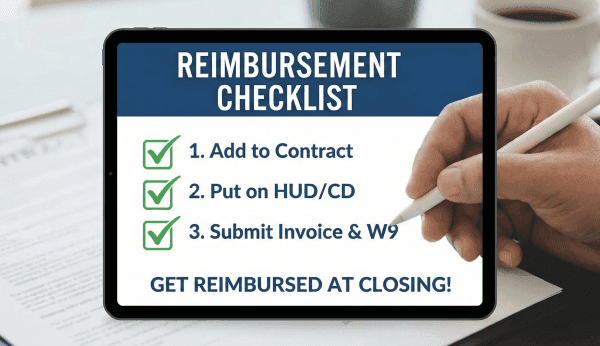
Here are the three easy steps to getting reimbursed.

Step 1: Add it to the Contract

The process begins with the paperwork. You must include specific language directly in the Purchase & Sale Agreement (PSA), assignment agreement, or an addendum.

Use this language:

"Buyer to pay an administrative fee of $_________ at closing to _____________."

For Novation Deals:

  • It is often best to add this as a seller’s charge on the underlying PSA.

  • Note on Funding: Depending on the buyer’s funding type, you may be able to use the same language under "Special Stipulations" (or the equivalent section) in the novated PSA with the end buyer.

  • Caution: Traditional lenders typically do not allow admin fees tied to the loan, title, or brokerage. We recommend structuring it as a seller charge on novations to avoid friction.

Step 2: Put it on the HUD/CD

Ensure the fee appears on the settlement statement (HUD-1 or Closing Disclosure). This can be listed in typical sections such as Settlement Charges, Commission, or Miscellaneous - Paid at Closing.

Label the line item as one of the following:

  • Admin Fee

  • Processing Fee

  • Coordination Fee

Why this matters: This method applies to both cash and financed transactions, provided the line item is labeled correctly. This simple step keeps your cash flow healthy and supports business growth.

Step 3: Document it for Title/Closing

To ensure the closing agent cuts the check, you must "show your work."

Quick tips for ensuring you get reimbursed:

  1. Use a detailed invoice: Clearly show the service description, amount, and payee.

  2. Include your W9: This is non-negotiable for payment processing.

  3. Submit early: Send these documents to the closing attorney or title company as soon as the file is opened.

Understanding Closing Options: POC vs. Paid at Closing

You have flexibility in how these funds are handled. You can either have the fee paid out directly at closing or get reimbursed for money you have already spent.

  • Paid At Closing: If the fee will appear on the HUD/CD and funds are to be dispersed from the closing table to you/InvestorBootz, mark it as "Paid At Closing."

  • POC (Paid Outside of Closing): If you already paid out of pocket and simply need the transaction acknowledged on the statement for accounting purposes, mark it "POC."

Strategy by Deal Type

Different deal structures require slightly different approaches. Here is a quick cheat sheet:

Assignments & Double Closes

  • Language: No special language is needed beyond the standard contract clause mentioned in Step 1.

  • Docs: Submit your invoice and W9.

Wholesale (Cash or Financed)

  • Treatment: Follow the standard steps above.

  • Lenders: Generally, there are no common lender issues as long as the fee is properly disclosed.

Novations

  • Placement: The Admin fee may appear as a seller charge on the underlying contract OR as a clause in Special Stipulations in the novated PSA.

  • Warning: Be prepared for conversations with the lender if you place this fee on the buyer side of a financed deal.


Disclaimer: This material is for informational purposes only and does not constitute legal, tax, or lending advice. Availability of these structures may vary by lender, title/closing attorney, and transaction type. Always confirm with your closing professionals before relying on this approach.

Steve Cohen

CEO of InvestorBootz

Need Boots on the Ground?

From photos to repairs, we've got you covered coast to coast.

Did you know that InvestorBootz services effectively become free when they are paid by the buyer at closing?

Reimbursement is a standard closing practice utilized daily by experienced investors, agents, acquisition teams, and transaction coordinators. By mastering this process, you can lower your out-of-pocket costs, allowing you to scale into new markets faster.

Here are the three easy steps to getting reimbursed.

Step 1: Add it to the Contract

The process begins with the paperwork. You must include specific language directly in the Purchase & Sale Agreement (PSA), assignment agreement, or an addendum.

Use this language:

"Buyer to pay an administrative fee of $_________ at closing to _____________."

For Novation Deals:

  • It is often best to add this as a seller’s charge on the underlying PSA.

  • Note on Funding: Depending on the buyer’s funding type, you may be able to use the same language under "Special Stipulations" (or the equivalent section) in the novated PSA with the end buyer.

  • Caution: Traditional lenders typically do not allow admin fees tied to the loan, title, or brokerage. We recommend structuring it as a seller charge on novations to avoid friction.

Step 2: Put it on the HUD/CD

Ensure the fee appears on the settlement statement (HUD-1 or Closing Disclosure). This can be listed in typical sections such as Settlement Charges, Commission, or Miscellaneous - Paid at Closing.

Label the line item as one of the following:

  • Admin Fee

  • Processing Fee

  • Coordination Fee

Why this matters: This method applies to both cash and financed transactions, provided the line item is labeled correctly. This simple step keeps your cash flow healthy and supports business growth.

Step 3: Document it for Title/Closing

To ensure the closing agent cuts the check, you must "show your work."

Quick tips for ensuring you get reimbursed:

  1. Use a detailed invoice: Clearly show the service description, amount, and payee.

  2. Include your W9: This is non-negotiable for payment processing.

  3. Submit early: Send these documents to the closing attorney or title company as soon as the file is opened.

Understanding Closing Options: POC vs. Paid at Closing

You have flexibility in how these funds are handled. You can either have the fee paid out directly at closing or get reimbursed for money you have already spent.

  • Paid At Closing: If the fee will appear on the HUD/CD and funds are to be dispersed from the closing table to you/InvestorBootz, mark it as "Paid At Closing."

  • POC (Paid Outside of Closing): If you already paid out of pocket and simply need the transaction acknowledged on the statement for accounting purposes, mark it "POC."

Strategy by Deal Type

Different deal structures require slightly different approaches. Here is a quick cheat sheet:

Assignments & Double Closes

  • Language: No special language is needed beyond the standard contract clause mentioned in Step 1.

  • Docs: Submit your invoice and W9.

Wholesale (Cash or Financed)

  • Treatment: Follow the standard steps above.

  • Lenders: Generally, there are no common lender issues as long as the fee is properly disclosed.

Novations

  • Placement: The Admin fee may appear as a seller charge on the underlying contract OR as a clause in Special Stipulations in the novated PSA.

  • Warning: Be prepared for conversations with the lender if you place this fee on the buyer side of a financed deal.


Disclaimer: This material is for informational purposes only and does not constitute legal, tax, or lending advice. Availability of these structures may vary by lender, title/closing attorney, and transaction type. Always confirm with your closing professionals before relying on this approach.

Steve Cohen

CEO of InvestorBootz

Need Boots on the Ground?

From photos to repairs, we've got you covered coast to coast.

More From InvestorBootz

More From InvestorBootz

Discover more expert advice and real-world insights to accelerate your investing success.