When you manage investment properties, you often make important decisions without standing inside the home yourself. A clear record of the property’s condition gives you something concrete to review before you authorize work or move an asset toward its next stage.
Follow these property condition documentation practices for investors who need a more reliable picture of each property. However, strong documentation does not depend on collecting as many photos as possible. You need to collect useful visual evidence and clear context to make the information easy to review later.
Document the Property With a Purpose
Before you request photos or send someone to a property, decide what you want the documentation to accomplish. Let your purpose determine what the person onsite captures and how much detail the assignment requires.
For example, you may need to assess the overall condition of a property before proceeding with an acquisition. At another property, you may need evidence that approved work has been completed. A rental may require documentation that helps you assess whether the home is ready for occupancy.
When you give the field representative a defined objective, you create a more useful record. Without that direction, you may collect dozens of images showing the property but fail to answer the question that prompted the visit.
Create a Consistent Photo Standard
Consistency matters when you review properties remotely. If one photo set covers every room thoroughly while another skips major areas, comparing properties becomes much harder.
Establish a repeatable photo standard for your property types. Specify which areas to document and highlight details that require closer attention.
A useful condition photo request may cover:
Front and rear exterior views
Each interior room
Visible property damage
Areas affected by repairs
Utility or mechanical areas when accessible
Access points relevant to the assignment
Close-up and wider views of notable conditions
Keep the requested scope relevant to the property and the purpose of the visit. Use a documentation standard to give your team a baseline while still allowing the field representative to capture additional issues that become apparent on-site.

A close-up of damage can be useful, but you may struggle to understand where the problem sits within the property. Pair detail images with wider views to provide valuable context.
Suppose a photo shows damaged drywall. A wider image of the room helps you identify its location, while a closer image can show the visible extent of the issue. When someone on your team reviews the documentation days or weeks later, that context becomes even more important.
Capture the Condition Before Work Begins
Once repairs start, you lose the opportunity to create a complete visual record of the original condition. Document the property before contractors begin, whenever possible.
Pre-work documentation gives you a reference point for evaluating what changed during the project. You can compare later images against the initial record when reviewing completed work or discussing an unexpected condition with a service provider.
Organize Documentation So Your Team Can Use It
Good documentation loses much of its value when nobody can find it. If photos live in one employee’s text messages while notes remain in another person’s inbox, your team may waste time tracking down information you already have.
Store each set of property documentation within a consistent system. Tie the files to the correct address and assignment, and make the purpose of each visit clear. Use naming conventions that help team members distinguish an initial condition review from a later update.
InvestorBootz uses a centralized platform where investors can submit service requests, track progress, communicate about assignments, and access completed deliverables. That centralized approach can support investors seeking clearer visibility into on-site work across multiple properties.
Review Documentation Before Making Property Decisions
Do not let receiving condition documentation mark the end of the process. Review it while the visit is still recent enough to address missing information.
Look for gaps between what you requested and what you received. If an area appears in only one unclear photo, decide whether you need another image before making a decision. If a walkthrough raises a new concern, arrange a closer inspection or an appropriate professional inspection.
Use Video When Photos Cannot Show the Full Picture
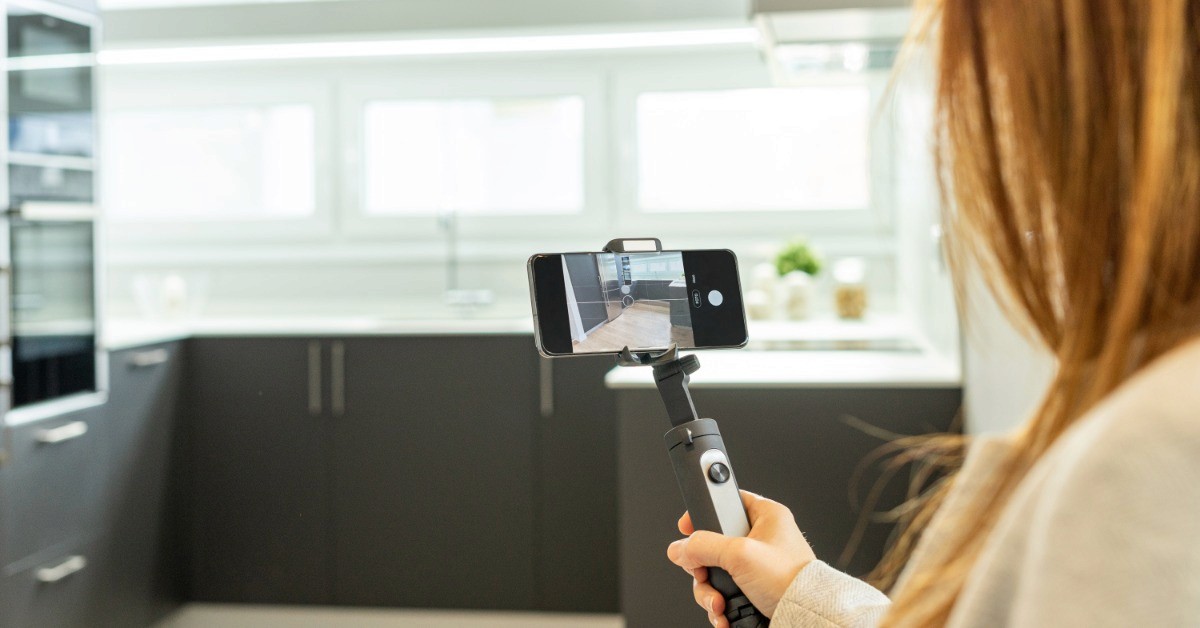
Use photos to document specific conditions, but consider a walkthrough video for a broader visual perspective. A video helps you understand how spaces connect and what the property looks like as you move through it.
Request video when the layout matters to your decision or when still images leave questions unanswered.
Keep Video Documentation Focused
A long recording does not automatically provide better information. Request a deliberate walkthrough that gives you enough time to see each relevant area.
When something deserves additional attention, ask the person documenting the property to pause or capture separate photos. Your documentation then gives you both the overall context of the walkthrough and closer visual evidence where needed.
Record Changes at Important Property Milestones
Continue property condition documentation as the asset's condition changes. A single photo set from the beginning of your involvement may become outdated after repairs, cleanup, tenant preparation, or other onsite work.
Choose documentation points based on your workflow. Request another condition update after substantial work is complete or before you move into a new phase of the property’s lifecycle. Following property condition documentation best practices for investors becomes easier when your team knows exactly when to request new documentation.
Build a More Reliable View of Every Property With InvestorBootz
You do not need to be physically present at every investment property to maintain useful visibility into its condition. However, create a process that provides your team with reliable information when a property requires attention.
InvestorBootz helps real estate investors coordinate remote property condition photos through one centralized platform, giving you a dependable way to see what is happening at a property even when you cannot be there yourself. Clear visual documentation can strengthen your review process by allowing your team to reference current property conditions before making important decisions.
When your next property needs eyes on the ground, provide your team the documentation it needs to make the next decision with greater clarity. Get started with InvestorBootz and coordinate the real estate property services your portfolio needs from wherever you operate.